February 16, 2026
Business Credit, EVs and Kei Trucks
Azora FinSights Issue 1 - By Brandon Tuttle - GM of Growth @ Azora
From boardrooms to car dealerships, Australia's economic landscape is sending mixed signals. We're seeing bold growth ambitions collide with practical financial pressures. In this analysis, we cut through the noise on business credit, the EV surge, and even the quirky Kei truck market to uncover the real story.
Australian Business: Growing or Slowing?
The Australian business landscape is showing clear signs of both ambition and strain. On one hand, companies are demonstrating a stronger appetite for growth, with a solid 4.7% year-on-year increase in commercial credit demand. This surge, led by a 7% jump in business loan applications, suggests a wave of confidence and investment planning.
However, this forward-looking optimism is tempered by present-day financial pressures. A separate set of data reveals that businesses are taking longer to pay their bills. The average payment delay has stretched out, with the construction and real estate sectors being the slowest to settle their accounts. This is a classic symptom of cash flow tension.
This surge, led by a 7% jump in business loan applications, suggests a wave of confidence...
The result is a split screen: businesses are borrowing to build their future while simultaneously struggling with the day-to-day cost of operations. For the construction industry, these delayed payments also risk undermining the fragile trust of a wary public. The good news is that new tools, like independent rating systems, are helping trustworthy builders showcase their stability, offering a clearer picture for consumers navigating these uncertain currents.
Australia's EV Boom: Sustainable Growth or a Policy-Dependent Spike?
Australia just had its biggest quarter ever for electric vehicle sales, and the message from the industry is clear: this is no time to hit the brakes.
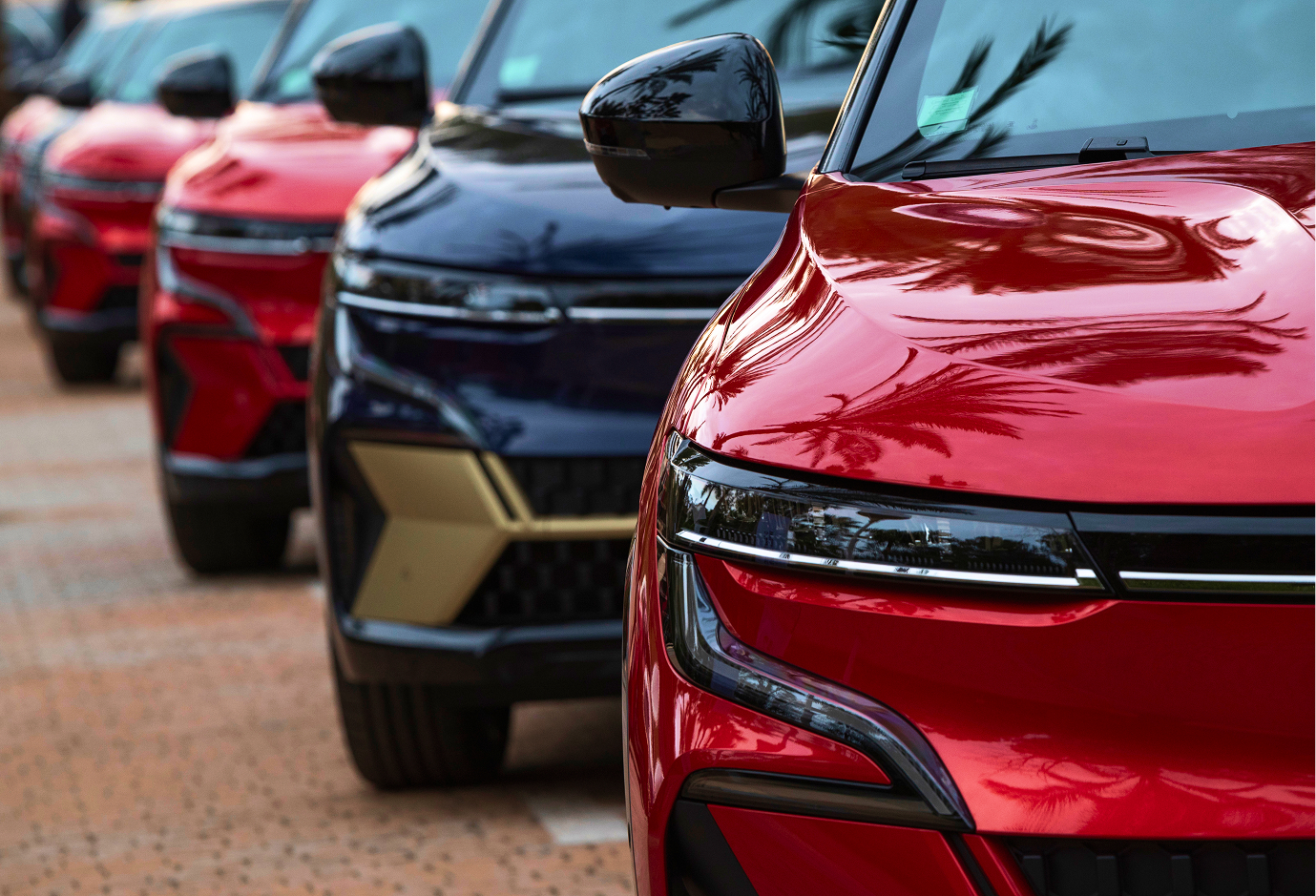
The latest figures show over 41,000 new EVs were sold in the second quarter of 2025, making up a record 13.1% of all new car sales. That’s a massive 37% jump compared to the same time last year, proving that Australian drivers are increasingly getting on board.
According to Julie Delvecchio from the Electric Vehicle Council, the reason is simple:
"Australian drivers are discovering what early adopters already knew: electric vehicles are better for the family budget. They’re great to drive, better for the environment, and cheaper to run."
But this growth, while impressive, is still fragile. Delvecchio warns that we're a long way from a self-sustaining market. The industry needs EVs to make up at least 30% of new sales before the government should even think about pulling back incentives or adding new taxes.
Right now, that progress is at risk. Proposed changes, like removing the fringe benefits tax (FBT) exemption, could "slam the brakes on growth." This record-breaking quarter is a direct result of current policies working, giving Australians more choice and making EVs more affordable.
The bottom line? With transport emissions set to become Australia's largest source by 2030, keeping this momentum isn't just about cars. It's about cleaner air, quieter streets, lower energy bills, and building a more resilient future for everyone.
The Kei Truck Conundrum: Popular, But a Headache to Finance
There’s no denying the charm and utility of a Japanese Kei truck. Their compact size and incredible versatility have made them a cult favourite, popping up on farms, in vineyards, and at hobby workshops across the country.
However, securing finance for these popular grey imports can be surprisingly difficult. Here’s a quick look at why:
- The Age Barrier: Most Kei trucks arriving are over 25 years old to comply with Australia's import rules. Lenders are often hesitant to finance older vehicles, especially niche imports.
- Stiff Competition: At a similar price point, buyers can often finance a larger, more efficient, and newer Australian-market ute, making it a less risky proposition for a bank.
- Insurance Hurdles: Comprehensive insurance can be expensive or difficult to secure for grey imports, which is a key requirement for most lenders.
While the appeal is strong, these financial and logistical hurdles are important factors to consider before falling for a Kei truck.
Whether it's a business loan or a new vehicle, understanding these financial currents is key. At Azora, we help you navigate this complex terrain with clarity. The common thread? Smart, accessible financing isn't just a transaction—it's the fuel for sustainable growth and smarter choices. Let's discuss your next move.
Brand Tuttle
GM of Growth
Azora





Azora acknowledges Aboriginal and Torres Strait Islander peoples as the first people and Traditional Custodians of the land and waterways throughout Australia. We recognise their continued connection to culture, community and Country, and pay our respects to Elders past and present.
Azora Finance Group Pty Ltd ACN 118 229 771 All Rights Reserved 2026